EVs were supposed to be the future. After all, they are cleaner, quieter, and packed with tech. But for Porsche and Mercedes, that future just hit a wall. Their luxury electric cars aren’t moving, and now they are paying the price.
Profit warnings are rolling in. Porsche slashed its return on sales forecast. Mercedes warned its margins could fall, too.
EVs Struggle to Impress the Wealthy Crowd
Electric vehicles have made major progress. But the issue is that they are still not winning over the luxury crowd. That is a big issue for brands like Mercedes and Porsche, which depend on big spenders to keep profits high.
You would think the top 1% would be the first to go electric. Turns out, not so fast.
Range anxiety, charging infrastructure, and performance quirks are still holding people back. And when you are spending six figures, doubts like that matter.
Porsche Gets a $1.5 Billion Wake-Up Call
Porsche is feeling the heat more than most. It is dumping over €1.3 billion, or $1.5 billion, into a full-on strategic reset. That is panic money. The brand is cutting costs, shaking up leadership, and rethinking what it actually needs to build.
The Porsche Taycan was supposed to be a game-changer. Instead, it is now facing brutal competition from cheaper rivals in China. That EV price war is undercutting demand, leaving Porsche squeezed between falling sales and rising costs. And unlike Tesla, Porsche doesn’t have scale on its side.
Mercedes Shifts Focus to Survive
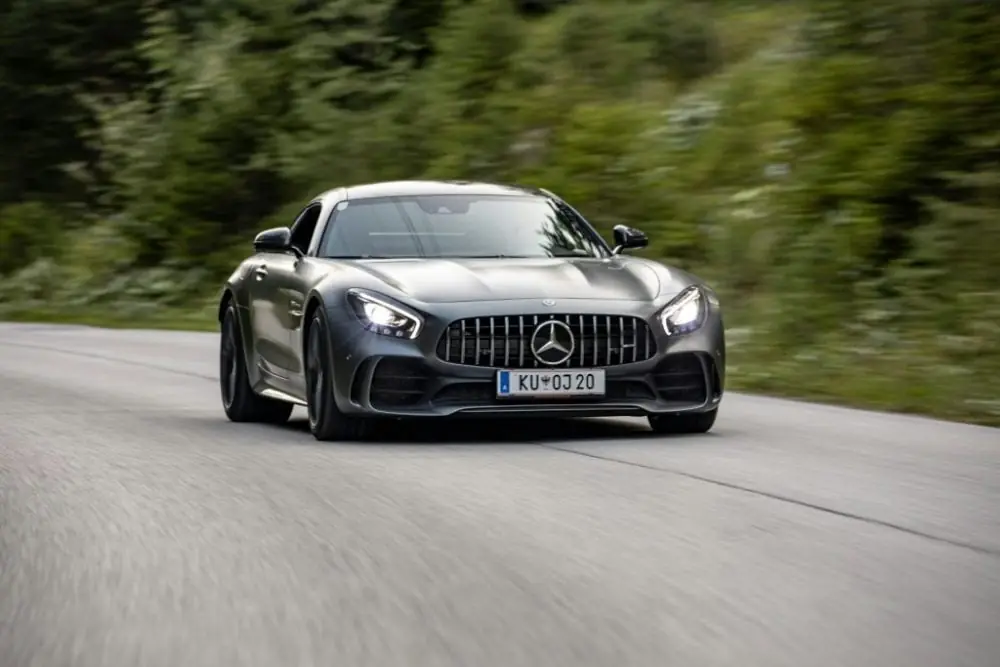
Just like Porsche, Mercedes isn’t doing much better either. It is lowering profit forecasts and scrambling to dodge tariffs. US duties just made their imported EVs even pricier. That hurts, especially since Mercedes builds most of its electric models in Europe.
These gas-powered beasts still sell. Mercedes knows that for now, cash is in combustion, not electric.
EVs Lose the China Fight
In China, local brands are winning the EV race. Companies like BYD are flooding the market with fast, flashy, and cheap electric cars. Porsche and Mercedes can’t keep up with prices. Worse, Chinese buyers aren’t biting on high-end German EVs the way they once did.
That is a serious problem. China is the world’s biggest car market. Losing ground there means trouble at home. For luxury EVs, the message is loud and clear: If you can’t dominate China, your global game plan is in danger.
So, what is the plan now? Plug-in hybrids. Porsche is expanding its lineup to include more hybrid and combustion-engine models. That is a sharp pivot away from full electrification. But it is a smart move. Buyers want options, not limits.
Hybrids let luxury brands keep the performance edge while easing range anxiety. They also help meet emissions rules without going all-in on batteries. For now, they are the bridge between old-school power and the electric promise.
However, this doesn’t mean EVs are dead, far from it. But it does mean that the luxury market isn’t ready to flip the switch just yet. People with money want what they want. And right now, that is still gas engines, or at most, a hybrid.