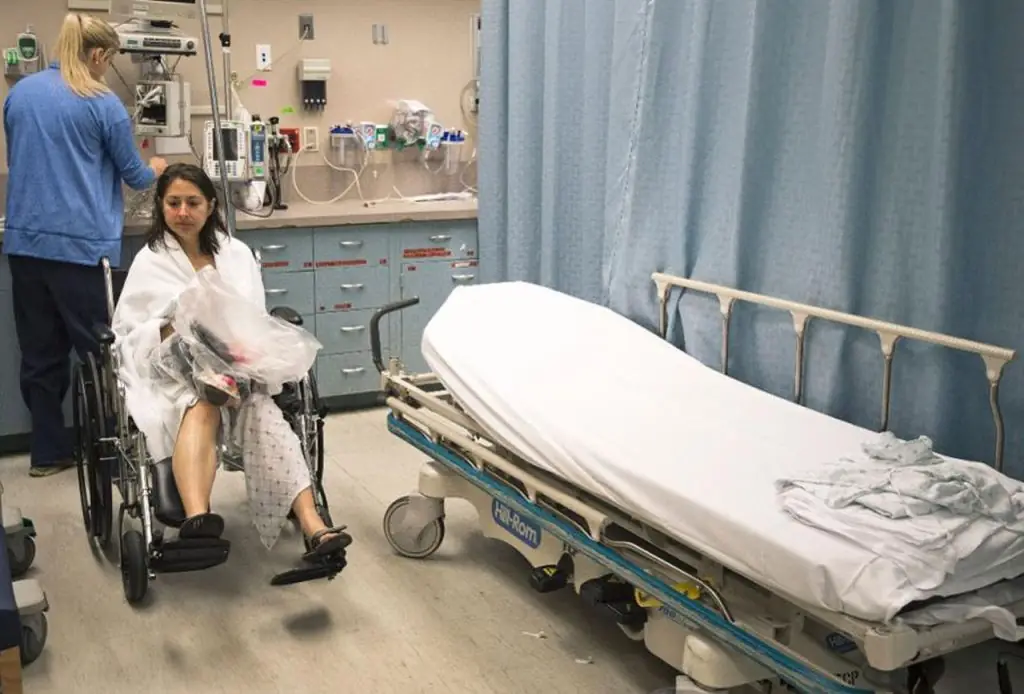
All bills including unexpected medical bills are unwelcome. Often received weeks/ months after your doctor’s visit, these bills are not uncommon. One 2018 survey done by NORC (University of Chicago), found 57% respondents received bills expected to be covered by insurance providers.

Surprise bills are financially devastating but preventable by taking precautions prior to appointments. Some simple strategies recommended by patients, insurance experts and advocates, are:
Ask Many Questions
Even for in-network doctor/ facility visit, ask questions about coverage. During appointment, if the doctor prescribes other procedures / test/ blood test/ EKG, ask if it is covered and the charges. If the doctor is unsure, ask for the Current Procedural Terminology code, and call your insurance to verify if the procedure is covered. Having the specific CPT code tracks down definite coverage details.
Study carefully
Every January, your health insurance shares detailed updates of your insurance plan. Study carefully your plan benefits and limitations. Note the plan’s deductible (amount paid per annum) before the insurer will cover your costs. If the deductible is $500, you pay till the amount is hit; thereafter your insurance covers claims for the remaining coverage period. Know which services are covered in full and which are definitely not.

For some preventive services (like your annual physical or flu shot, etc.) you owe co-pay while your insurance foots the remaining bill. These can be considered freebies, so you might want to take full advantage of it. Never assume that insurance will or should cover particular procedures. Instead, read that fine print to understand your plan benefits and limitations.
Stay in-network
Insurance providers maintain a strong network of hospitals, healthcare providers and labs to ensure wide coverage of charges. Outside the coverage network, you bear a bigger financial burden as the insurance company has pre-negotiated rates only with in-network providers. If your health care provider levies higher charges for services, insurance only covers the amount established with in-network providers, so you would have to pay the difference.
Take a screen-grab of the insurance company’s website, particularly where the provider lists down the documentation required if there are disputes in the future. Before a procedure, check what your plan covers thoroughly including the surgeon, the facility, the anesthesiologist, and the equipment. If your doctors use any robotic surgical equipment, your insurance may consider it non-essential to your procedure and hence, refuse to cover costs on those grounds.
Compare Costs

Some labs and pharmacies are more cost-effective than others. Phoning your insurance company to compare pricing or facilities could ensure savings and prevent huge bills. Use price comparison sites Clear Health Costs /FAIR Health Consumer, for estimated costs for procedures to compare with prices charged in your ZIP code.
Get pre-authorization
Avoid unexpected medical bills with prior legwork done before procedures. Most insurance plans require pre-authorized surgery; ask your doctor for written coverage confirmation. Failure to have procedures pre-authorized with insurance, result in penalties and non-covered procedures.
Planning for emergencies

Duringemergencies, visiting insurer’s website for hospitals coverage is difficult as immediate care is required. Always review in advance nearby hospitals and ambulance services covered by your health insurance. About 85 % ambulance usage results from out-of-network bill. Non-life threatening situations requiring transportation can use ambulance services covered by insurance.
Document everything
Phone calls can answer questions about doctors and procedures but after securing answers, experts recommend getting it in writing, to dispute unwanted charges.