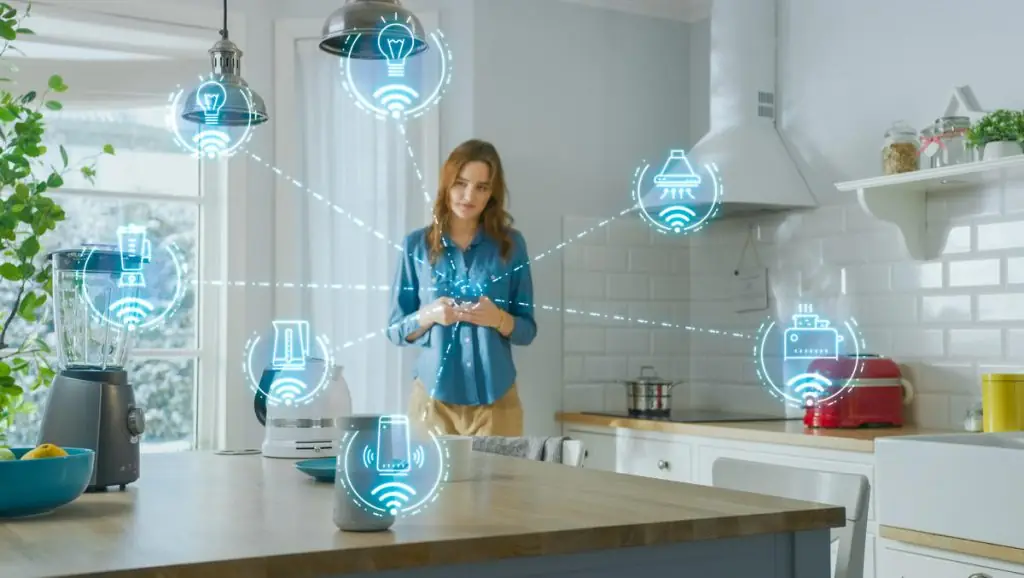
Smart-home devices close garage doors or secure your home, and if used properly, save energy and money. Americans spend $130 billion a year on wasted energy, and consumers can benefit by setting up smart-home devices using smartphones, control them remotely, on a schedule, connect them to a smart speaker, and perform independent actions.
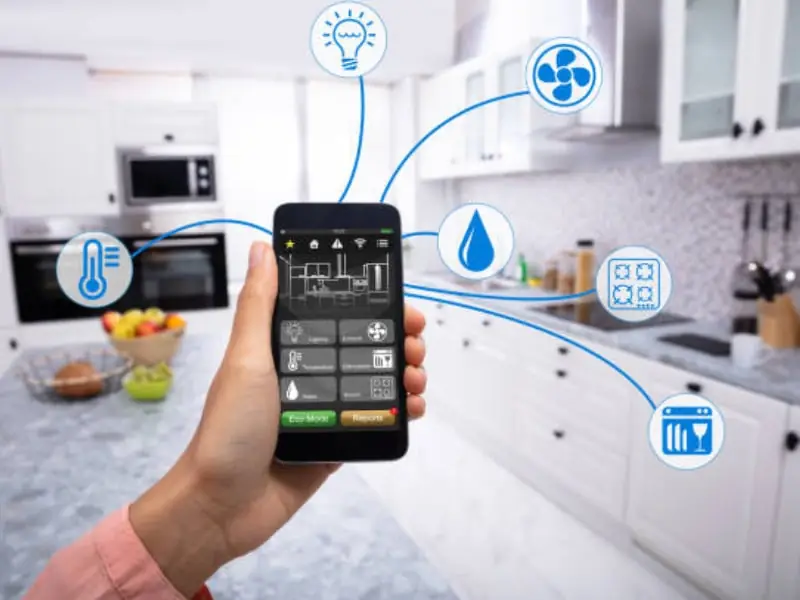
By ensuring better control over smart energy-saving devices, they save a lot. Here are tips for smart-home devices to reduce energy and water waste while saving money.
Smart plugs and lights
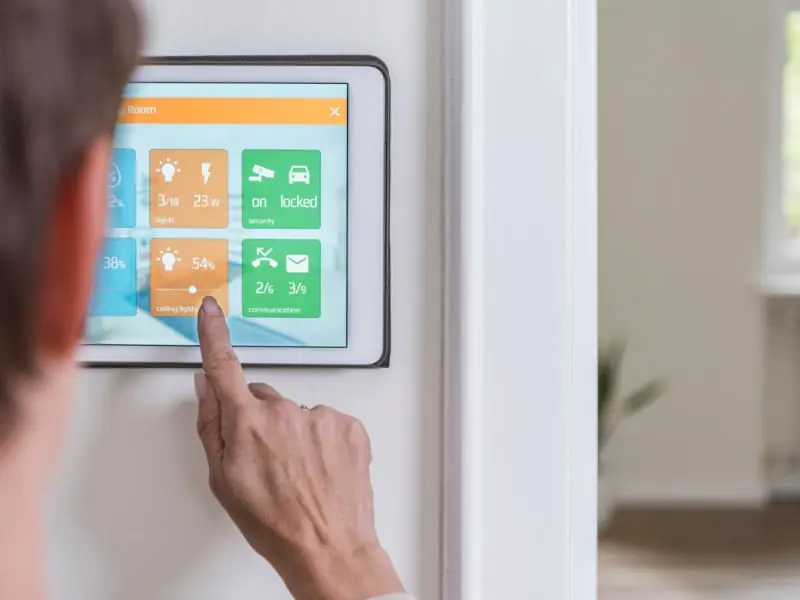
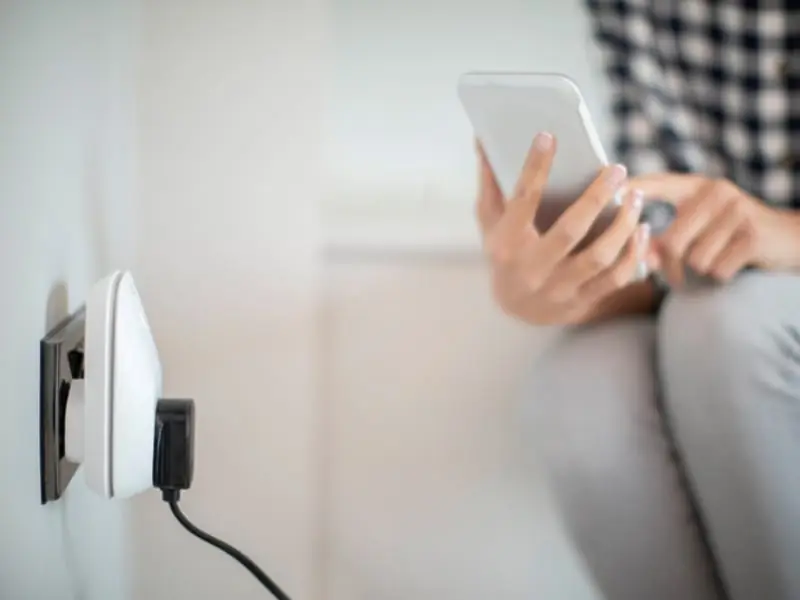
If anyone leaves lights on, energy bills shoot up along with blood pressure. Smart lighting reduces bills by adding scheduling, remote control, and automation to everyday fixtures. Smart LED bulbs use 75 % less energy than incandescents, last 25 times longer with 40% additional savings by switching to dimming and can trigger other motion sensors, smart devices, or geo-fencing, for efficient operations. The Philips Hue line has smart-bulb kits both inside and outside homes. If clinging to bulbs and switches, a smart plug manages the scheduling and on/off functions for lamps and smaller appliances, and you can install money-conserving LED bulbs. The Wemo Mini smart plug costs under $30 per lamp, also controls holiday lights and can vacation-proof homes.
To conserve water
According to EPA, daily household leaks waste 1 trillion gallons of water annually, equivalent to 1,500 Olympic-size swimming pools. Add a smart leak sensor monitor behind toilets, under sinks, around washing machines, and other leaky points. When the sensor detects a leak, a smartphone alert about the issue, ensures repairs before major problems occur. Smart water valves (Flo by Moen and Phyn Plus) installed on your water main, can alert you to leaks as small as a drippy faucet.
Kill vampire power
Electrical appliances and gadgets like TVs, computer speakers, and coffee-makers draw power even when not in use, a phenomenon called “vampire” energy. Experts estimate the annual power wastage is 50 large power plants’ electricity output. If powering several gadgets, try a smart power strip which tracks six devices individually. Just plug in your audio system, old plasma TV, space heater and schedule the strip to cut power off when devices are not in use. Individual cost savings aren’t dramatic, but add up with other energy savings.
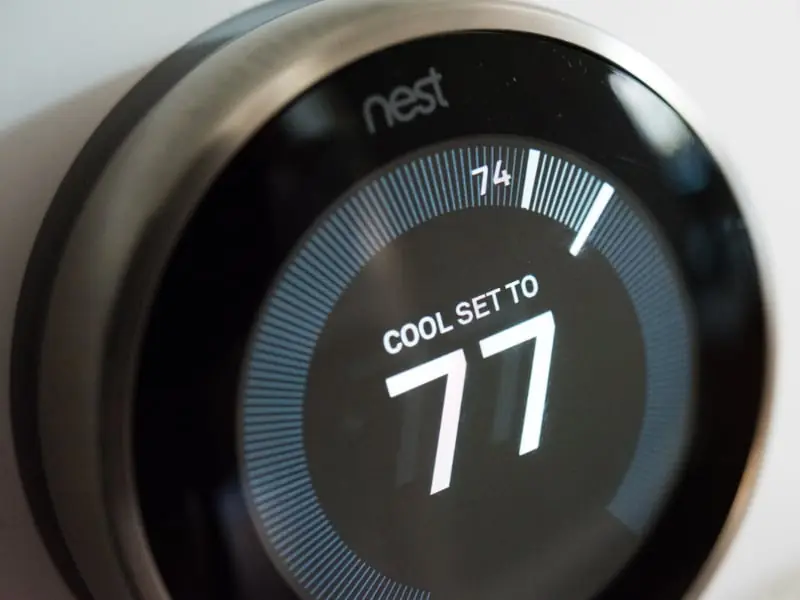
A Nest Thermostat set to 76 degrees
Smart fans (Big A** Fans, Hunter) include motion sensors to operate only when someone is in the room, besides integrating with a thermostat to maximize savings. A room fan with a smart plug is an affordable option. As much heat passes through windows, overheating in summer and heat loss in winter occurs. Shades reduce that, but smart shades (by Hunter Douglas, IKEA, and Lutron) set for specific times or on schedules, open and close to allow light (and energy) to pass though only when you desire.
Curb cooling and heating costs
Experts confirm electricity use by US households is most for fans and air conditioning, with households spending over $525 a year. A smart thermostat (Nest Thermostat E) optimizes your home’s heating and cooling, reducing electricity or fuel wastages by automatically adjusting temperatures to optimal levels based on habits, location, and cooling time for your home. A smart plug gives additional control to avoid wasting cool air in empty rooms.