
Japan’s business climate needs real change
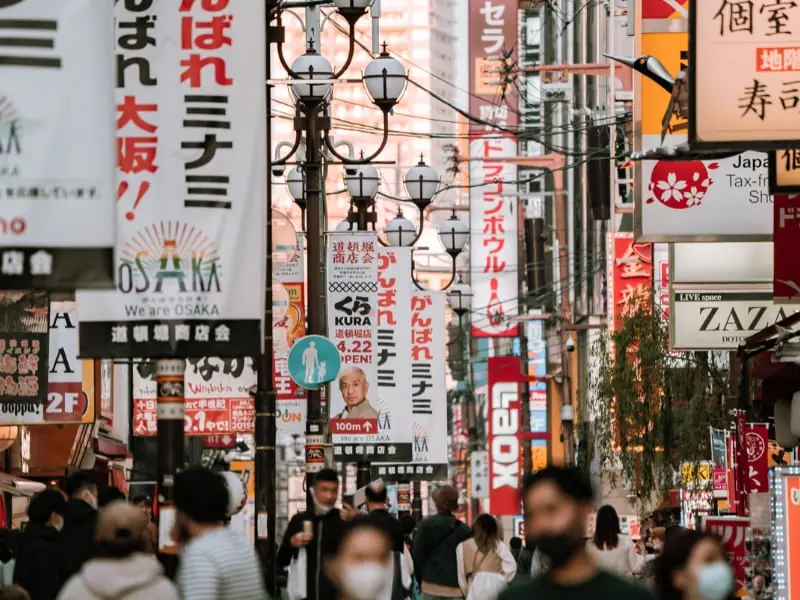
Japan explicitly wants Tokyo as Asia’s top financial city which is no random goal as Japanese officials lure global financial firms to Tokyo as their Asian headquarters while Hong Kong struggles under tight Beijing control. Japan as the world’s third largest economy, has attractive features as a stable global power but real hurdles must be cleared before Tokyo emerges as a viable alternative to Hong Kong. Japan welcomes financial firms exiting Hong Kong as the China crackdown continues. A financial power with a stable stock market exchange, Japan competes with financial firms in Asia-Pacific, but foreign firms have waited decades for promised Japanese economic reforms.
Business in Japan

Japan is serious about shifting firms from Hong Kong to Tokyo, but concrete policy changes are elusive, despite talks of stream-lined paperwork, tax incentives, and special economic zones, which are attractive for financial firms when introduced, while the current reality of doing business in Japan is a deterrent. Many foreign firms operate in Tokyo Stock Exchange which is a global power. Japan has serious drawbacks for firms to move out of Hong Kong, with a serious tax disadvantage (45%) as Hong Kong with a top income tax rate of 17% and Singapore with 22%, have competitive tax-rates. Japan is very difficult to do business in as their bureaucracy is very difficult to navigate due to the low levels of English and multiple layers of government.
Japan Has Been Here Before
Japan’s change in leadership enabled Prime Minister Yoshihide Suga to commit to difficult structural reforms that are needed by foreign firms. The long wish-list includes de-regulation of protected industries like agriculture, curbing the culture of creating zombie firms by supporting failing companies with non-performing loans, introducing more international board members in large publicly-traded firms, and easing labor regulations to end the ‘employment for life’ concept when an employee reaches a certain seniority -level of seniority irrespective of performance. These are the same reforms that were touted for when Shinzo Abe became PM, with his three arrows of Abenomics. While the need for changes is recognized, domestic resistance is entrenched. Suga has not addressed these issues, but is targeting digitization, besides encouraging deregulation. Will global financial firms jump from Hong Kong to Tokyo, given the snail’s pace of change over half a century?
The Exodus May Never Happen

Japan’s interest in financial firms’ increases due to unrest and Chinese government measures in Hong Kong but competitors are Singapore, Australia, and Hong Kong itself, being the de facto gateway into China, and despite Beijing’s heavy-handedness, most firms will stay to remain closely connected to China. Exodus of international firms would cause Beijing to have a reality check for Hong Kong, before losing the financial hub that defines Hong Kong.
Bottom Line
Japan’s attempt to attract financial firms to Tokyo, suggests their intention to initiate changes to spur economic growth. But Japan’s current business climate fails to make it a competitive alternative to Hong Kong as an Asia-Pacific financial hub. Vague promises for turning Tokyo into an alternative to Hong Kong, by the Suga administration with structural reforms promised for decades, may enable Japan to be competitive in the future. Today, Japan’s pitch falls on deaf ears.